


Now Reading: Google DeepMind’s AI Decodes the Hidden Language of DNA
-
01
Google DeepMind’s AI Decodes the Hidden Language of DNA
Google DeepMind’s AI Decodes the Hidden Language of DNA


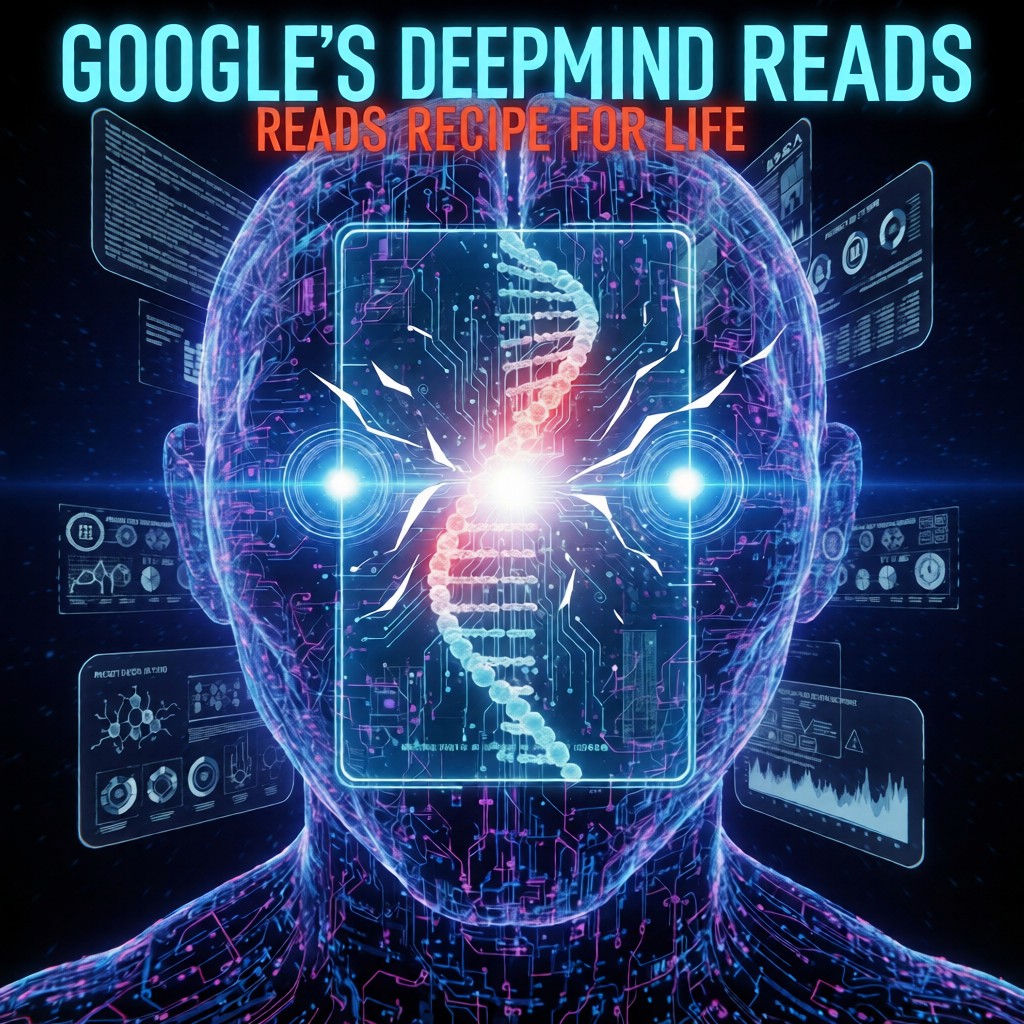
Artificial intelligence is taking a bold step into the heart of human biology. A new AI system created by Google DeepMind is reshaping how scientists read and understand DNA — often described as the instruction manual of life. Researchers believe this breakthrough could redefine how we study diseases, genetics, and future medical treatments.
The AI model, named AlphaGenome, is designed to interpret the human genome at a scale and depth that was previously impossible. While not flawless, experts across the scientific community are calling it a game-changing advancement in genetic research.
What Makes DNA So Complex?
The human genome contains nearly three billion DNA letters, represented by A, C, G, and T. Surprisingly, only about 2% of this code directly creates proteins that help the body grow and function.
The remaining 98%, often referred to as the “dark genome,” has long puzzled scientists. Although it doesn’t create proteins, it plays a critical role in controlling how genes behave — when they turn on, turn off, or change function. Many genetic mutations linked to diseases are hidden in this poorly understood region.
How AlphaGenome Changes the Game
AlphaGenome can examine up to one million DNA letters at once, allowing it to detect patterns deep within the dark genome. Beyond identifying genes, the model predicts how surrounding DNA influences:
- Gene activity (how active or inactive a gene is)
- Gene splicing (how one gene can create multiple proteins)
- Regulatory behavior that impacts health and disease
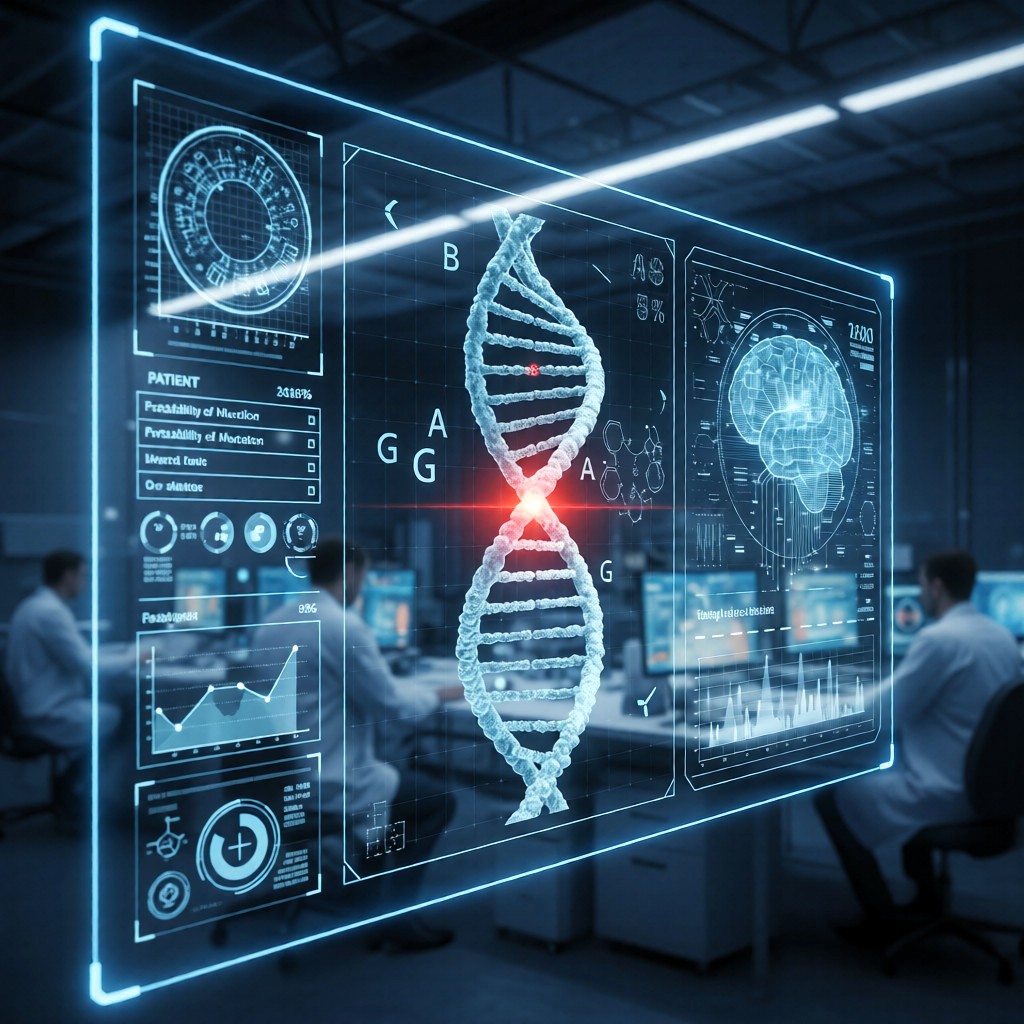
Most impressively, AlphaGenome can forecast the effects of changing a single DNA letter, helping researchers understand how even tiny mutations may increase the risk of conditions like obesity, diabetes, dementia, or high blood pressure.
A Powerful Tool in the Fight Against Cancer
Cancer research stands to benefit enormously from this technology. AlphaGenome has already been used to distinguish between mutations that actively drive cancer growth and those that are harmless side effects.
This ability helps scientists focus on true cancer targets, potentially improving precision medicine and treatment development.
A New Era of Science Powered by AI
DeepMind’s success with AlphaGenome follows its earlier breakthrough with AlphaFold, which earned a Nobel Prize in Chemistry in 2024 for predicting protein structures.
Scientists believe we are now entering a new scientific era — one where AI, genomics, and biomedical research converge to unlock mysteries that once seemed unreachable.
As AI continues to evolve, tools like AlphaGenome may not just help us read the recipe of life — they may help us rewrite the future of medicine.
Expert Reactions: Excitement with Caution
Leading genomics experts describe AlphaGenome as a major milestone in AI-powered biology, praising its ability to predict gene behavior using DNA alone. Large-scale testing across hundreds of thousands of experiments has shown strong performance.
However, researchers are clear: this is not the final solution. The model still requires refinement, validation, and continuous improvement. Even so, many agree it represents a huge leap forward rather than an incremental step.
AI and DNA
Google DeepMind AI
AlphaGenome AI
Artificial intelligence in genetics
AI in healthcare
Human genome AI
DNA sequencing AI
Dark genome explained
AI in medical research
Genetic disease AI
AI in cancer research
Gene expression prediction
Genomics and artificial intelligence
DNA mutation analysis
#AI #Artificial Intelligence #DNA #DeepMind #Future Technology #Healthcare Innovation #viral #trending
Related Posts

Stay Informed With the Latest & Most Important News
Previous Post
Next Post





Advertisement
-
 01🚀 Top 10 AI Tools Changing Daily Life in 2026
 -
 02Top Skills Every Architecture & 3D Artist Must Learn in 2025 (Saudi Vision 2030 Focus)
 -
 03📱 Samsung Galaxy S26 Ultra Launched: 400MP Camera, AMOLED Display & Massive Battery
 -
 04Learn AutoCAD Step-by-Step with AR Trainings Official – From Beginner to Professional
 -
 05🇦🇺 How to Get Australia Permanent Residency in 2026 — Complete Step-by-Step Guide
 -
 06🏈 Bears vs Rams — Epic NFL Battle That Shocked the Playoffs in 2026
 -
 0710 Best Open World Games in 2026 You Must Play